Imperial Oil shares rose 0.6% to $129.39 at the latest close. The latest quarter looks far more dramatic on paper: revenue jumped 43% to $16.1 billion, net income climbed 131% to $2.2 billion, and operating cash flow rose 85% to $2.7 billion.
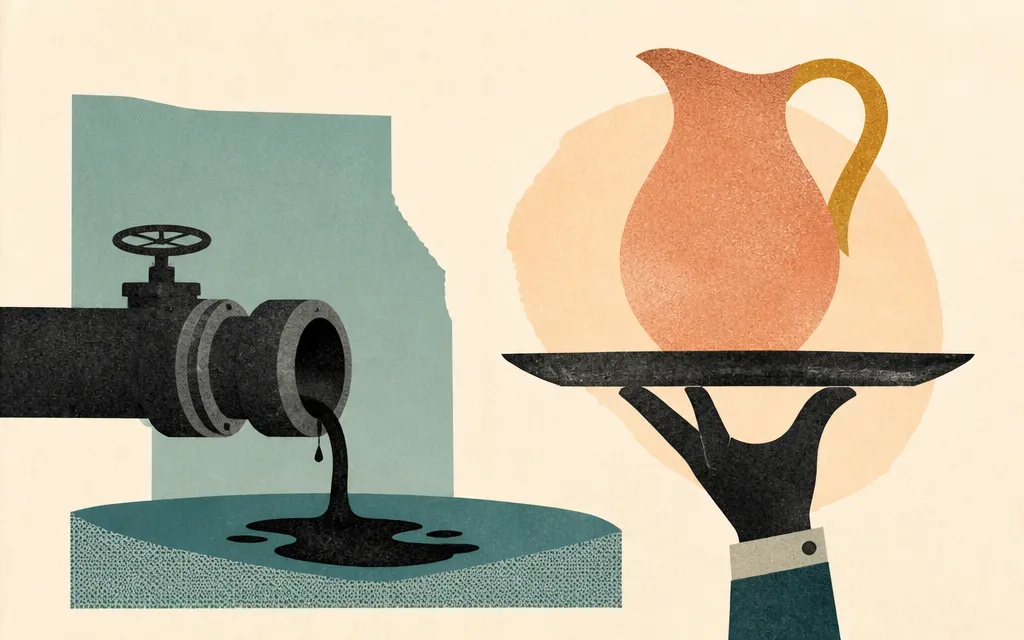
The simple reading is an oil producer reporting a much stronger quarter. The less simple version is that Imperial made much more money per barrel while moving fewer barrels through key parts of the business. Net margin expanded to 13.6% from 8.4%, but cash conversion slipped to 1.23 times net income from 1.54 times.
The main receipt was price, not volume. Imperial said synthetic crude realizations increased by $53.25 per barrel, driven by higher marker prices and a better Synthetic-to-WTI spread. That is a powerful lever in an integrated oil business, and it can overwhelm a lot of operational noise in a single quarter.
Management's volume disclosure points in the other direction:
"Volume – Lower volumes were primarily driven by lower production at Kearl and Syncrude."
Imperial Oil, 10-Q, 2026-08-03
In plain English, the upstream business produced less at two named oil-sands operations even as the price received for synthetic crude improved. Imperial does not disclose a broader explanation for the lower production in this receipt.
The refinery side was also running below last year's pace:
"Lower refinery throughput and capacity utilization were primarily due to planned turnaround impacts."
Imperial Oil, 10-Q, 2026-08-03
Refinery throughput fell to 331,000 barrels per day from 376,000, while capacity utilization dropped to 76% from 87%. The company also identified about $190 million of turnaround impacts, partly offset by roughly $140 million from favorable product mix. Planned work is not the same thing as a permanent capacity change, but it does make the quarter's profit surge harder to read as a pure operating-volume story.
Cash offers a second useful check. Operating cash flow grew much faster than revenue, and free-cash-flow margin improved by 4.7 percentage points. Yet capital spending also increased 12.5%, and the decline in cash conversion means less of the reported net income translated into operating cash than it did a year earlier.
That matters against Imperial's recent trajectory. Annual revenue fell 8.6% in 2025 to $47.1 billion, after falling from the 2022 peak in 2023 and declining again in 2025. The latest quarter therefore shows a business with sharply higher earnings under stronger commodity realizations, not a clean return to steadily rising volumes.
The open loop is specific: Imperial Oil's next quarterly report will show whether Kearl and Syncrude production, refinery utilization, and synthetic crude realizations all remain at their latest reported levels.
More money per barrel, fewer barrels through the system. Oil accounting has a sense of humor.
Imperial Oil reported higher synthetic crude realizations alongside lower production at Kearl and Syncrude and planned refinery turnaround impacts in its Aug. 3, 2026 10-Q.